
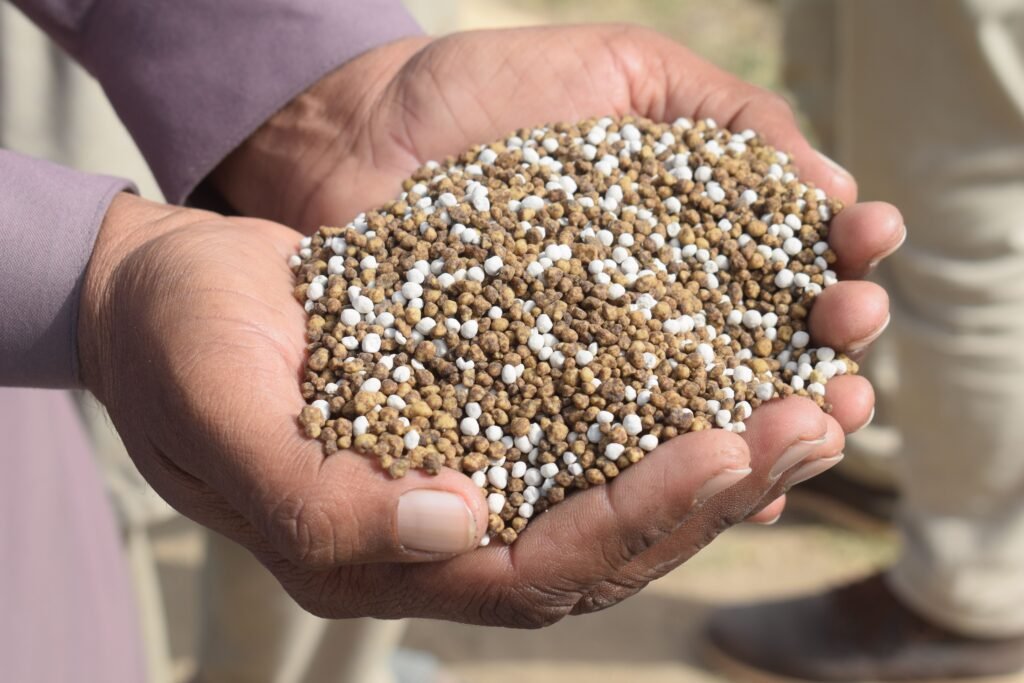
For generations, farmers have relied on nitrogen, phosphorus, and potassium (NPK) fertilizers to drive crop production. These inputs have played an important role in feeding a growing world, but many agricultural experts are now asking an important question:
What happens when we focus on feeding the crop and forget to feed the soil?
Across Europe, farmers are facing rising fertilizer costs, declining soil organic matter, and growing concerns about long-term soil productivity. While NPK fertilizers provide essential nutrients, they do not replace many of the biological and mineral components that healthy soils naturally contain.
Over time, intensive cultivation can reduce soil organic carbon, microbial diversity, and the broad spectrum of trace minerals that support productive agricultural systems.
This is where soil regeneration is becoming part of the conversation.
Rather than replacing conventional fertility overnight, soil regeneration strategies seek to improve the foundation upon which crops grow. Healthy soils can support improved nutrient efficiency, stronger root development, better water retention, and more resilient crop performance.
REMINUTA™ was developed around this principle. By combining advanced humic substances with volcanic minerals and naturally occurring trace elements, the system is designed to help support the biological and mineral foundations of productive soils.
The future of agriculture may not be about applying more fertilizer. It may be about helping soils work better.
